
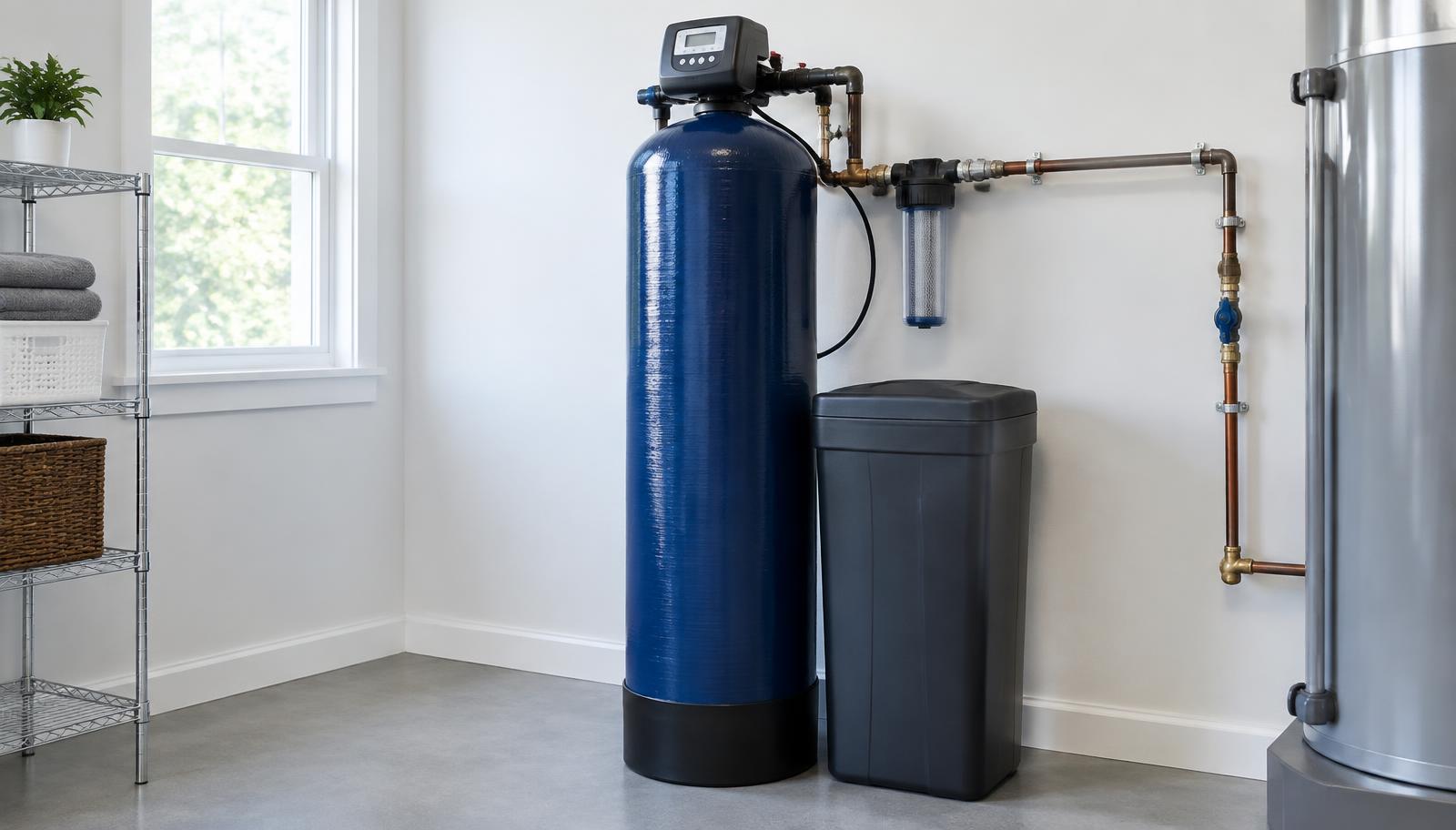
Carbon Filtration Systems
Carbon media that targets chlorine taste, odor and a range of taste-affecting compounds.
In short
Carbon filtration uses activated carbon media to reduce chlorine, taste and odor compounds as water passes through the filter bed.
The Problem
The problem it addresses
Chlorine and taste-affecting compounds are among the most common complaints on municipally supplied water.
- Pool-like chlorine smell at the tap or in the shower
- Water that tastes chemical or flat
- Coffee, tea and cooking affected by water taste
How carbon filtration works
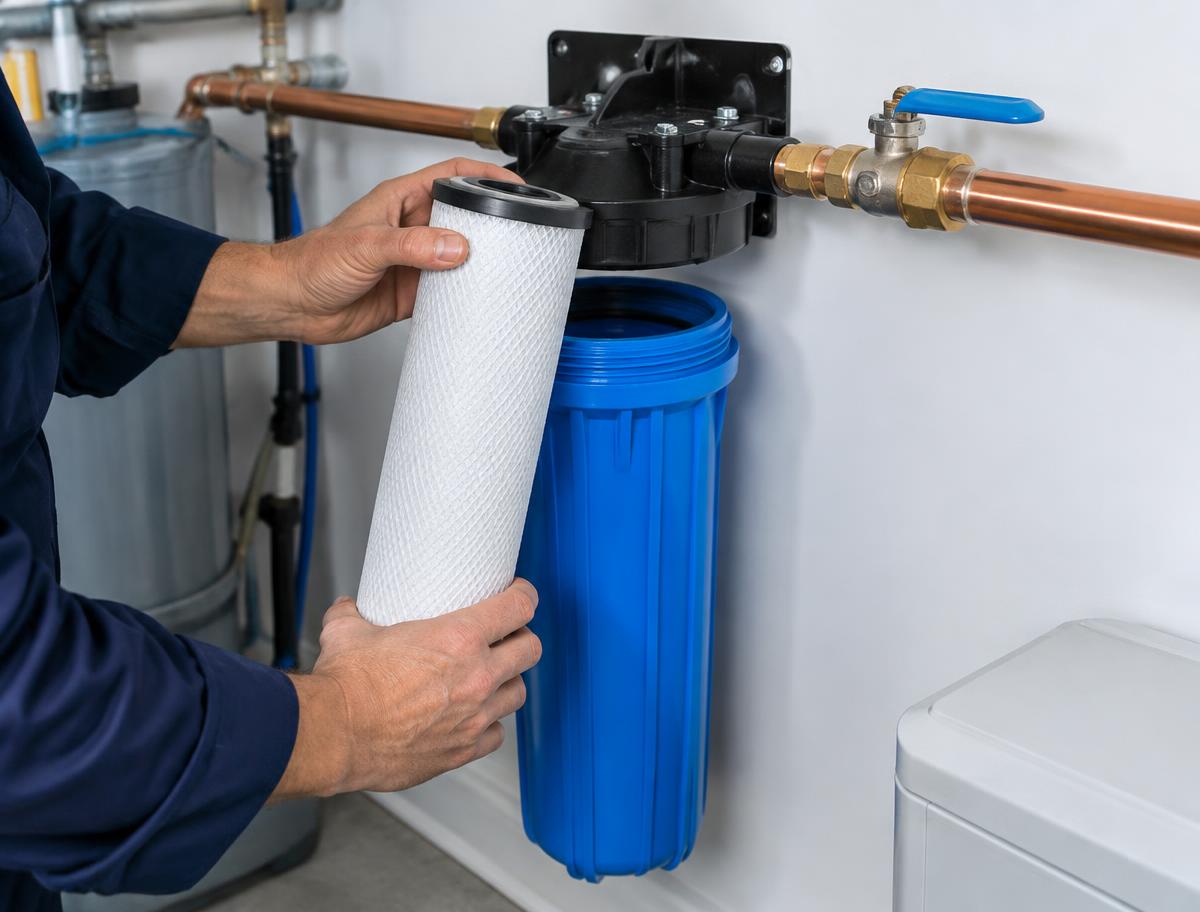
Activated carbon has an extremely large internal surface area that adsorbs many taste and odor compounds as water contacts the media.
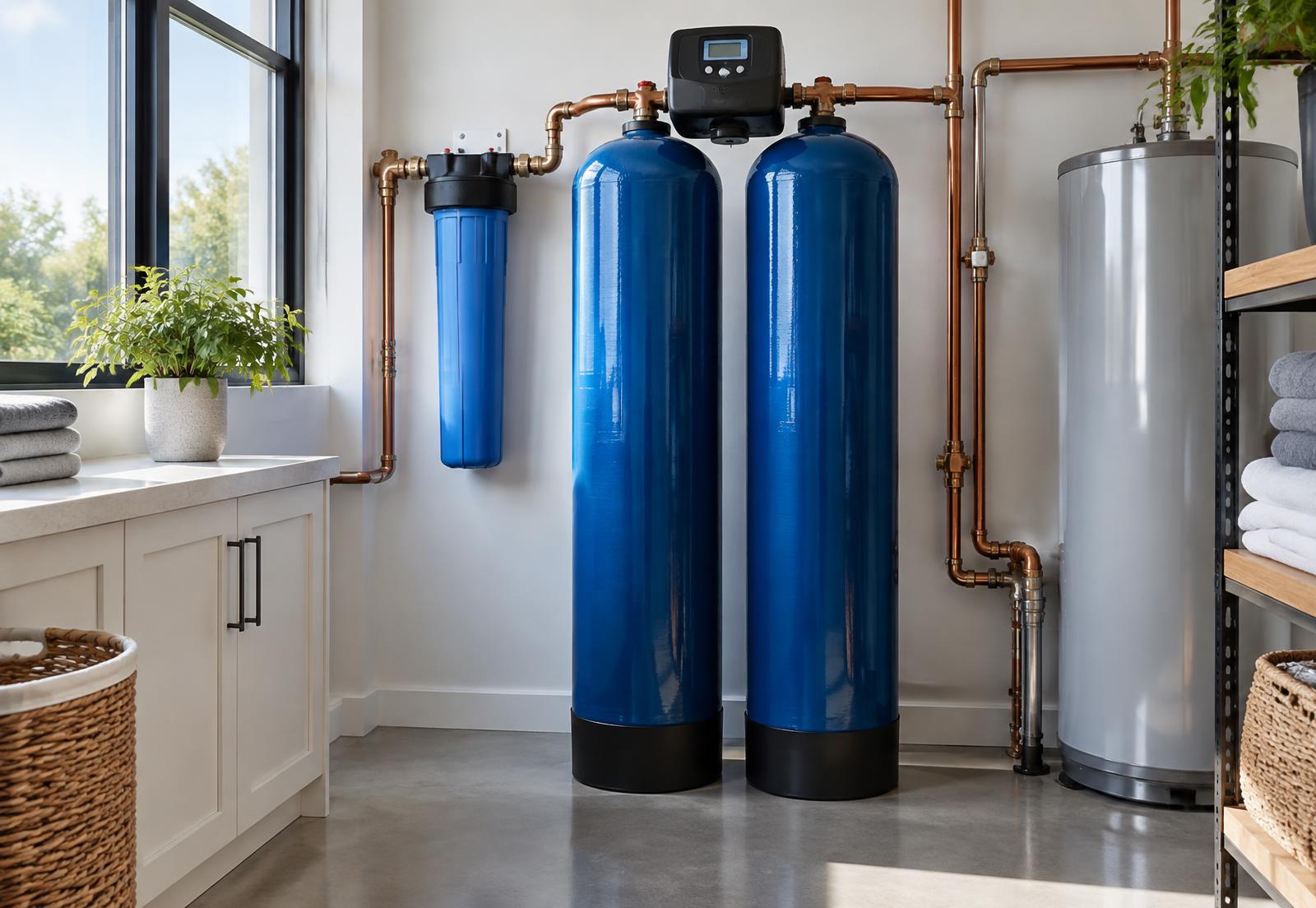
- 1Water enters the carbon media tank or cartridge housing
- 2Taste and odor compounds are adsorbed onto the carbon
- 3Filtered water continues into the home
- 4Media or cartridges are replaced on a service interval
Potential benefits
- ✓Can help reduce chlorine taste and odor
- ✓Improved drinking, cooking and shower water
- ✓Works well as a stage within a larger whole-house system
Results depend on your water conditions and the system selected.
Who may need it
- Homes on chlorinated municipal supplies
- Households bothered by water taste or smell
Installation
Carbon systems are installed on the main line, commonly alongside sediment pre-filtration.
Maintenance considerations
Carbon media is replaced periodically because its capacity is consumed over time.
FAQs
Carbon Filtration Systems questions
Related
Related services
Chlorine Reduction
Filtration focused on the chlorine taste and smell many homeowners notice on city water.
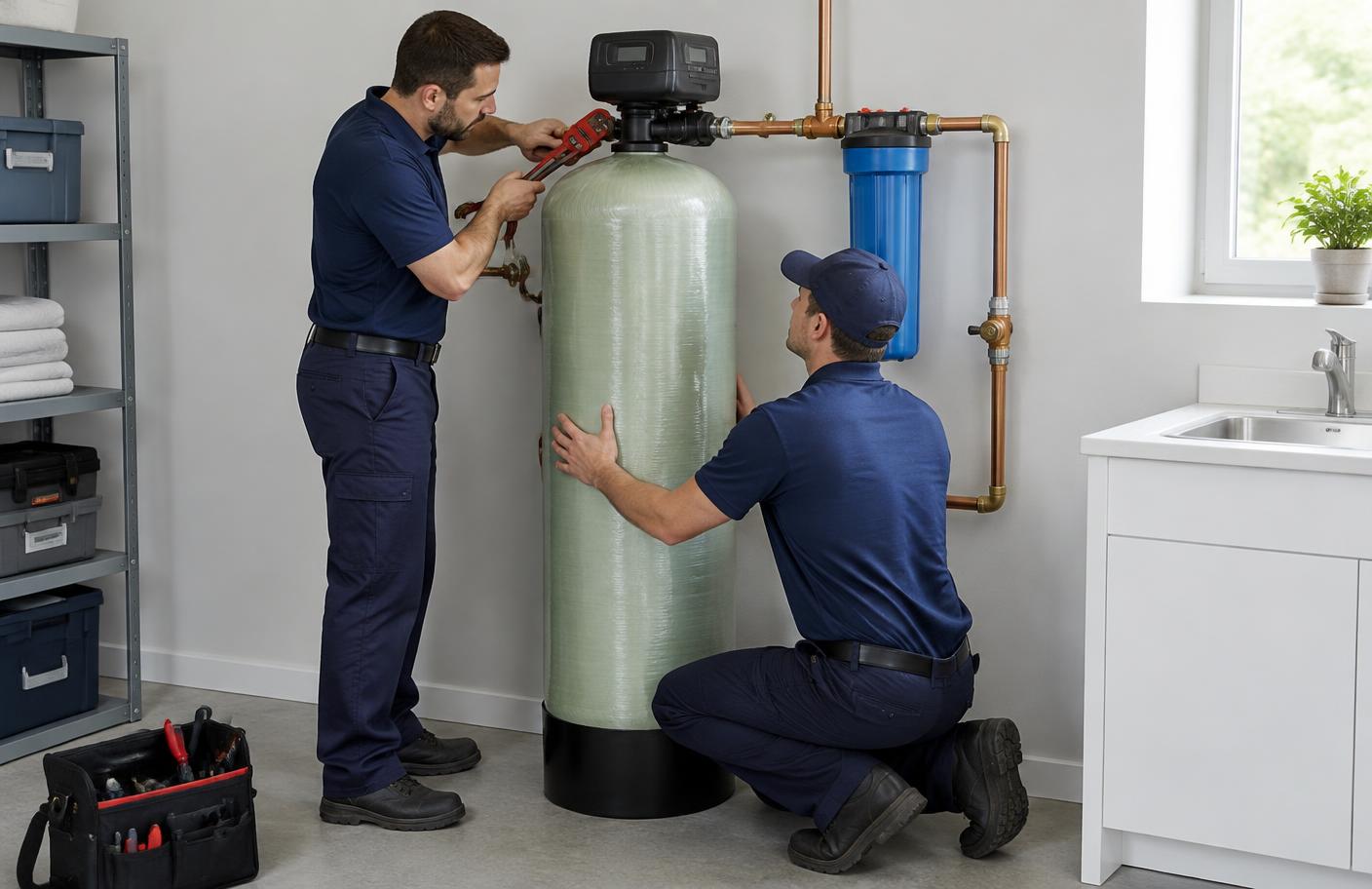
Whole-House Water Filtration
Filtration installed on your main line to help reduce sediment, chlorine taste and odor throughout the home.
City Water Treatment
Residential treatment equipment for homes that receive municipally supplied water.
Let's talk about your water
A free consultation is the fastest way to find out whether carbon filtration systems is the right fit for your home.